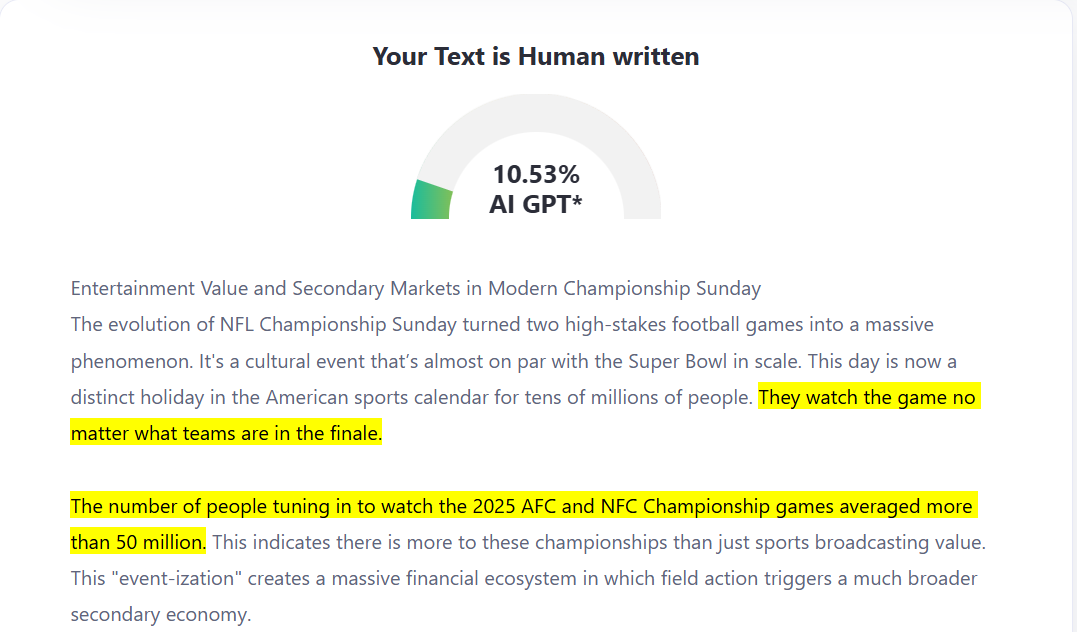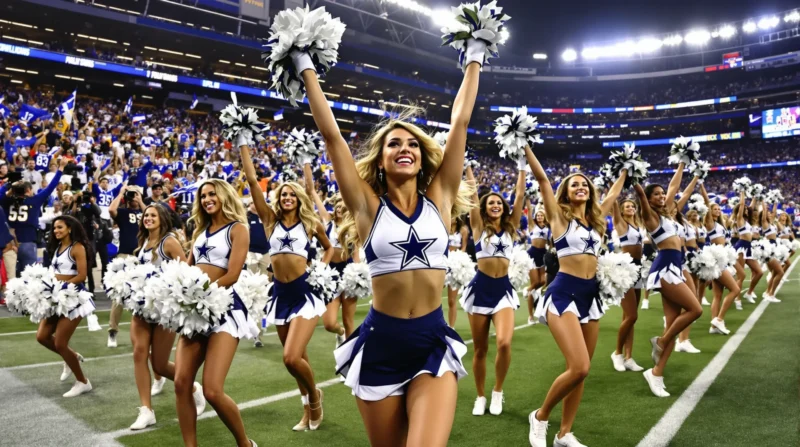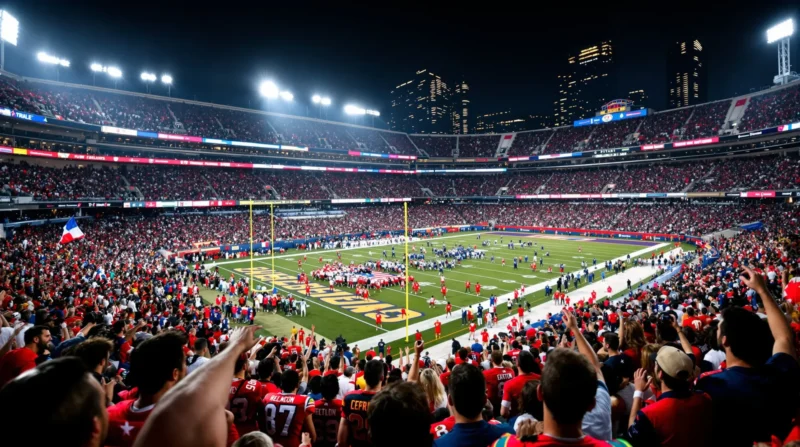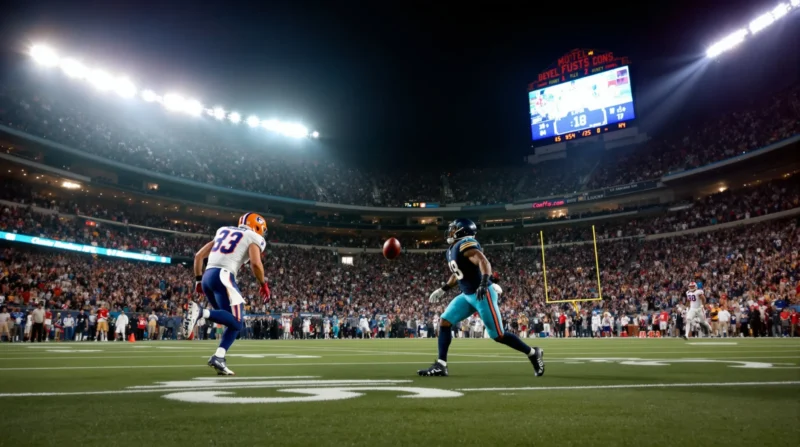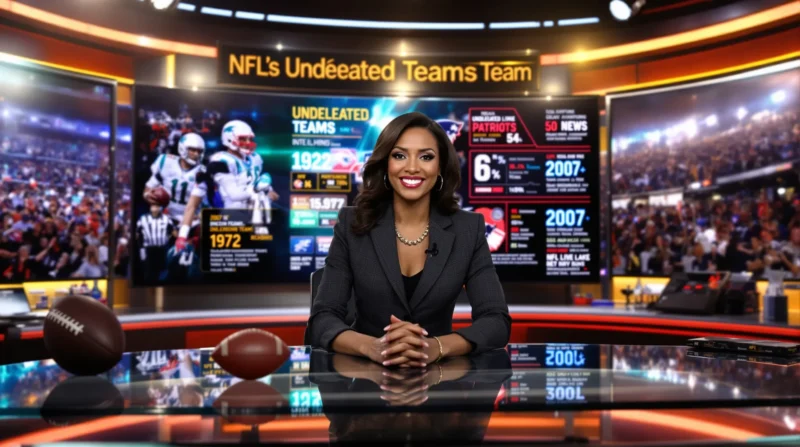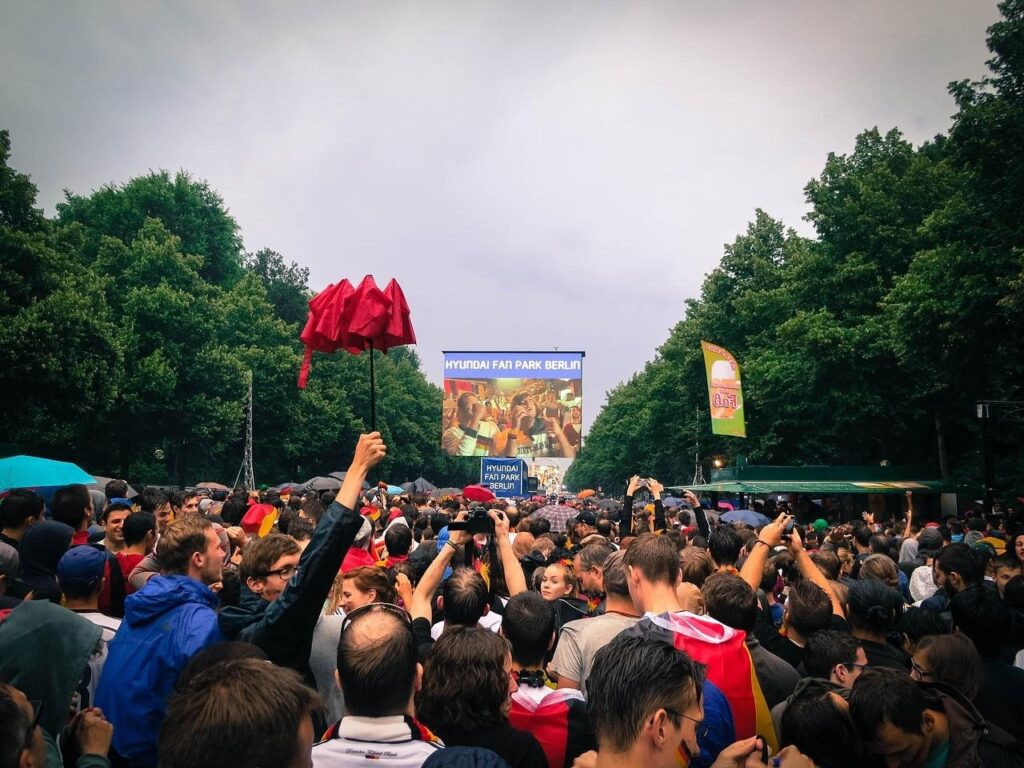
The evolution of NFL Championship Sunday turned two high-stakes football games into a massive phenomenon. This is a cultural event that’s second only to the Super Bowl in scale. This day is now a distinct holiday in the American sports calendar for tens of millions of people. They watch the game no matter what teams are in the finale.
The number of viewers for the 2025 AFC and NFC Championship games, using a Super Bowl squares guide, averaged 50 million. This indicates there’s more to these championships than just sports broadcasting value. This “event-ization” creates a massive financial ecosystem in which field action triggers a much broader secondary economy.
Businesses and fans alike have paid closer attention to the layers between the broadcast to broaden the day’s focus. It’s as much about the collective and social experience as it’s about the final score.
Social Gambling Markets Redefine the Fan Experience
Modern fans struggle to find personal wagering options in social and digital markets beyond professional sportsbooks. Professional bettors focus on the point spread; casual soccer fans are content. They often use a grid because it’s simpler, and a square’s rules guide is useful for participants. They can learn how various number combinations correlate with historical scoring patterns.
This shift to community-based games ensures engagement stays strong, even during defensive struggles or lopsided scoring. These secondary markets have become critical to sustaining the entertainment value of the broadcast through micro-incentives. There’s a constant stream available throughout the four quarters of play.
Gamification of viewing has moved from the fringes of fan culture into the mainstream. A simple square grid fits the social fabric across viewers and creates competition for everyone watching. These participants might otherwise live in very different worlds.
Skyrocketing Ticket Prices Reflect the Demand for Live Experiences
The secondary ticket market is another indicator of the high entertainment value of Championship Sunday. Ticket resale data from previous years show that the “get-in” price for these games is higher than ever. It surpasses $1,000 for the cheapest seats available at the stadium.
This fact can be attributed to the emerging “experience economy,” increasingly motivating consumers to pay for once-in-a-lifetime events. They witness them live rather than simply viewing them at home. Geography is also playing a key role in these secondary-market trends, as secondary ticket prices spike. They’re higher in populous metropolitan cities and popular vacation cities.
These prices reveal the NFL has done an excellent job hyping the championship. It’s a “can’t miss” live event with pricing that benefits the league and secondary ticket scalpers. This clearly allows them to monetize the fixed supply of seats.
The Massive Reach of Non-Sporting Entertainment Props
Points of entertainment have extended past player performance and encompass the “secondary market” now. It’s what many consider interesting during game day. Halftime shows, celebrity appearances, and even entertainment-based wagers keep viewers interested in more than just the game itself.
Gambling on factors such as the frequency of celebrity appearances or the length of the national anthem works. It allows viewers to engage with the game in different ways. These additional points of interest help football fans connect with non-football fans. They became known as the “Taylor Swift effect” in the 2024 season.
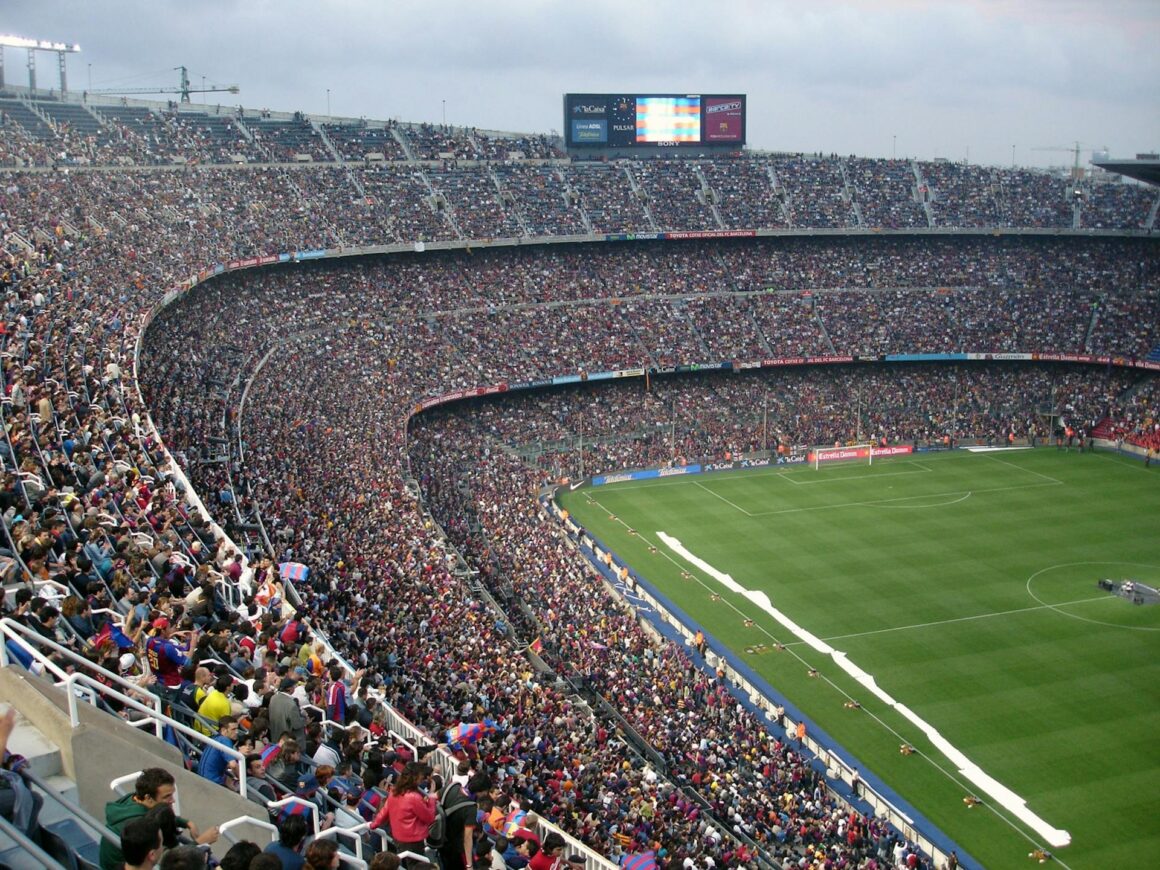
One singer boosted viewership and merchandise sales. By expanding betting options beyond player performance, the NFL has now established a whole new audience. This group tunes in to Championship Sunday for the full “content.”
Digital Platforms Create a Secondary Economy of Attention
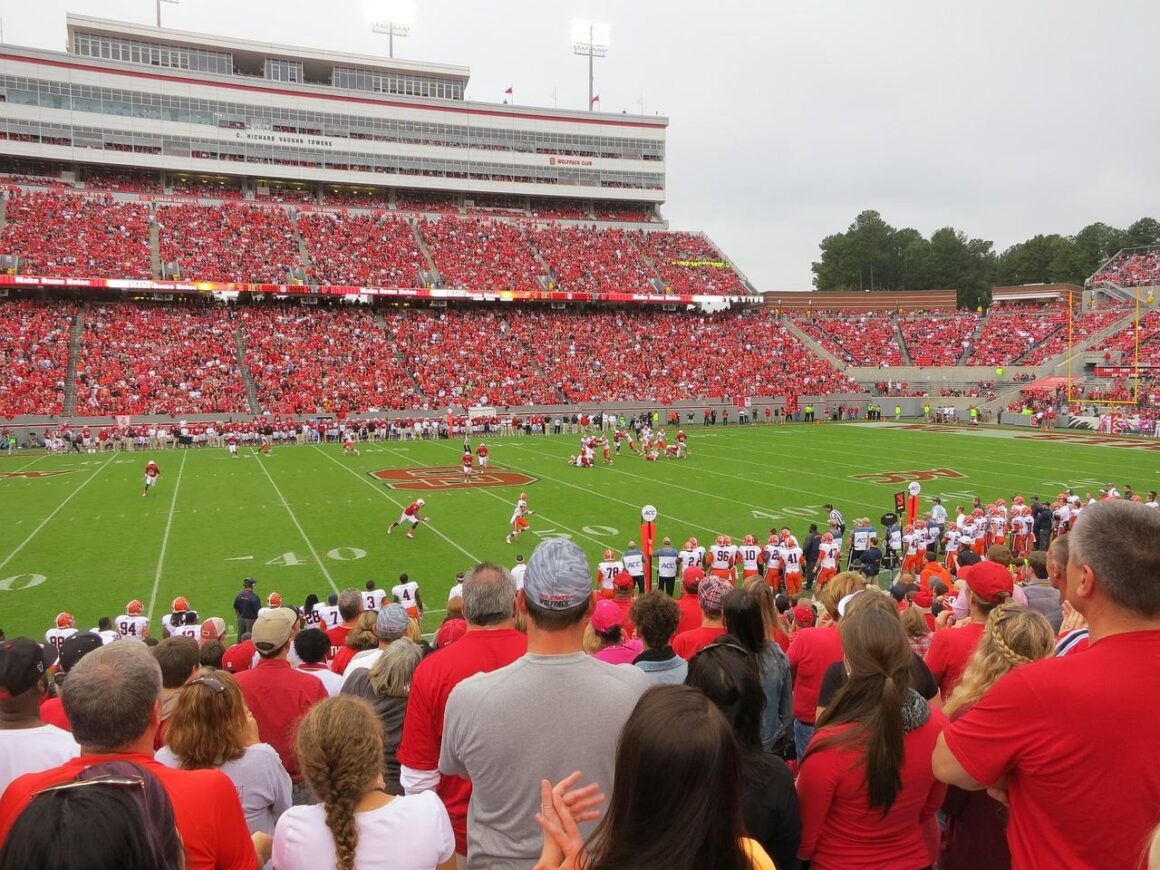
Television coverage is now complemented by a “digital tailgate” on social media services and live-streaming platforms. Branded content placed outside official TV commercial windows can capitalize on real-time micro-conversions when content goes viral during live games. Short video content and live “watch-along” streams represent a second market of consumer attention beyond television advertising slots.
This marketplace attracts valuable consumer attention from younger audiences who play games on second screens. The second-screen audience offers an opportunity to collect consumer data, increasing value for advertisers. Championship Sunday is an opportunity to influence viewers worldwide.
The Final Whistle Is Only the Beginning
With the current state of professional football, Championship Sunday is a complex yet booming money machine. The game played on the field serves as the engine. However, the industry continues to expand as new market segments emerge, including social gambling, high-end tickets, and digital engagement.
As technology continues to integrate more deeply into the viewing experience, the divide won’t remain clear. The sporting event and entertainment market at large will likely continue to blur. Fans aren’t mere spectators in a private arena of competition and money; they’re intelligent participants. They’re in a multi-billion-dollar “peculiar economy” celebrating the competition.
The NFL’s future depends on its ability to develop secondary markets, making the road to the championship all the more vital. It’s considered the single most valuable real estate in modern entertainment.