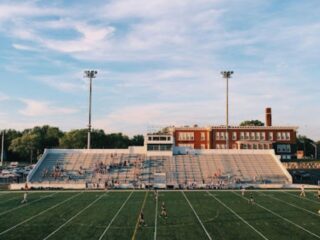
Coors Field remains a spectacle, an oasis of sunshine and skyline vistas where fans gather even when the team struggles. This year, though, the Colorado Rockies’ beautiful ballpark can no longer distract from an on-field disaster of historic proportions. With a record of 7-33, the Rockies are on pace to challenge the modern record for most losses, surpassing even the 1988 Orioles’ infamous start. Attendance figures, still averaging over 25,000 per game, reveal a fanbase torn between loyalty and frustration. Yet no amount of picturesque scenery can hide the fact that the Rockies have finally hit an undeniable low point.
A Franchise Stuck in the Past
The Rockies’ struggles run far deeper than a few bad months. The organization has long been criticized for its reluctance to modernize, a flaw that has now become impossible to ignore. Bill Schmidt, the general manager since 2021 and a member of the franchise since 1999, insists that the team embraces analytics. However, many around the league paint a starkly different picture. The Rockies remain one of the few teams without proprietary pitching models. They also lack a comprehensive pitch-grading system. This reflects a stubborn refusal to adapt to baseball’s information age. Insularity has defined the club, a self-imposed isolation that has left it lagging while others sprinted ahead.
A New Low, A Necessary Change
The firing of longtime manager Bud Black marked a turning point, signaling that even the Rockies could not ignore these unfortunate events any longer. Warren Schaeffer, a former third-base coach, was promoted to interim manager. While changing leadership is a significant move for a team that values stability, it feels more symbolic than substantive. The problems extend far beyond the dugout. The front office, stocked with executives who have been in place for decades, remains largely untouched. Without a philosophical shift, leadership changes on the field alone will not reverse the franchise’s course.
Injuries and Underperformance
Injuries have ravaged an already thin roster. Ezequiel Tovar, Thairo Estrada, and Brenton Doyle have all missed significant time, removing critical pieces from an already struggling lineup.
Kris Bryant, burdened by a degenerative back condition, remains a $182 million shadow of his former MVP self. Yet blaming injuries alone ignores the broader failures.

Even healthy players have underperformed. Ryan McMahon is one of the few bright spots on the team. Fans searching for silver linings have turned to Rockies parlay bets to keep the games entertaining.
Other hitters have struggled to clear even league-average production despite the thin-air advantage at Coors Field. A home wRC+ that ranks dead last in the league speaks volumes about the offensive collapse.
The Pitching Nightmare
Pitching remains the Rockies’ eternal Achilles’ heel, but 2025 has taken those woes to new depths. The starting rotation’s ERA of 7.09 is nearly a full run worse than the next-worst team. Chase Dollander, last year’s top pitching prospect, has shown flashes of potential but is battling growing pains, especially in the harsh environment of Denver. The bullpen offers marginally better results, yet it has not been enough to stem the avalanche of losses. Homegrown arms have struggled to develop, a byproduct of poor player development and the challenges of pitching at altitude.
A Broken Development System
The Athletic’s 23rd-ranked Rockies farm system exposes a serious weakness in player development. After being hailed as potential stars, young prospects frequently stall or decline after they make it to the major leagues. In order to optimize talent, other firms that face comparable issues have constructed complex development pipelines.
The Rockies, however, have stuck to antiquated practices. The lack of investment in coaching, technology, and scouting infrastructure has led to a situation where players enter the major leagues unprepared for success. Check out the latest MLB season insights at FanDuel for a more comprehensive look at league-wide trends. In a time when player development is essential to long-term success, this shortcoming has proved particularly disastrous.
Blind Loyalty and Organizational Stagnation
The Rockies’ issues stem from an ownership culture that prizes loyalty over innovation. Owner Dick Monfort’s preference for familiarity has locked the club in a perpetual loop. While other teams constantly evolve, Colorado often appears content to exist as a living museum of baseball’s past. Monfort’s rumored desire for a salary cap covering all organizational spending reflects a wish to level the playing field not by improving but by restricting others. Until leadership embraces meaningful change, the Rockies will remain trapped, not because of a lack of resources but because of an unwillingness to evolve.
Hope, but Barely
There are faint glimmers of hope within the rubble. Jordan Beck, Hunter Goodman, and Brenton Doyle offer the potential for a productive young core. Chase Dollander, despite a rocky introduction to the majors, still possesses frontline starter talent. Yet placing the franchise’s future on a handful of young players is risky.
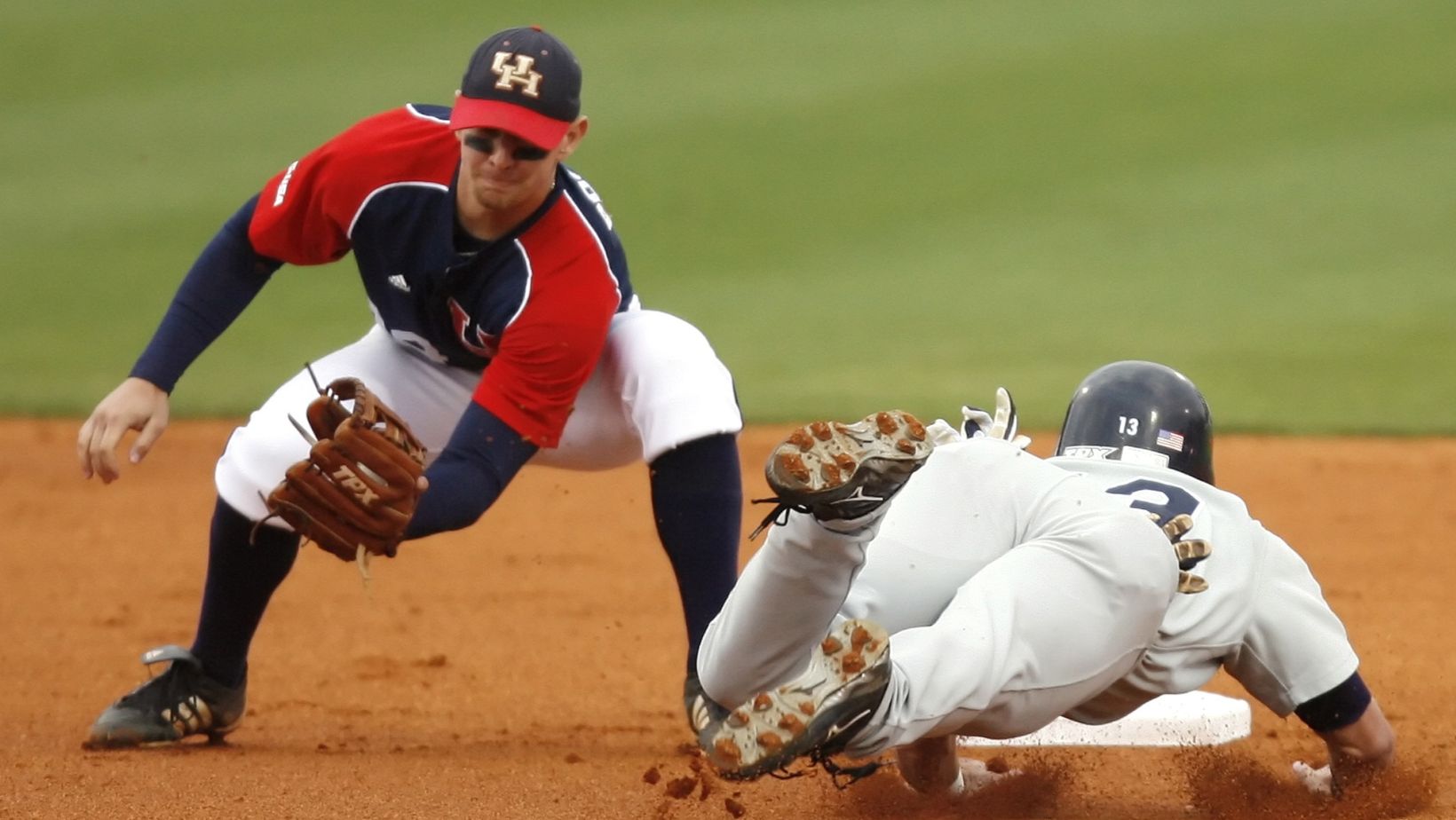
Development remains a gamble, especially in an environment that historically has not nurtured it well. Without structural changes to how the Rockies scout, coach, and support their players, even the most promising prospects could falter.
More Than a Rebuild
This is not a typical rebuild. Rebuilds involve tearing down with a vision for the future. The Rockies’ current state feels more like aimless wandering. They are not shedding veterans for prospects. They are not stockpiling draft capital. They are simply losing, with no clear plan for what comes next. Last year’s White Sox collapse at least carried the vague promise of a reset. Here, there is only the suffocating air of stagnation.
Weathering the Storm
Despite everything, the fans still come. They sip craft beers on the Rooftop. They bask in the sun-drenched afternoons and cool, crisp evenings. They wear their purple jerseys and hope that somehow, against all odds, things will get better. Kyle Freeland, a Denver native, captured the complex emotions best. With a voice thick with emotion, he asked fans to “keep believing in us.” In a season of record losses, that might be the Rockies’ greatest achievement — that hope, however fragile, still lingers in the thin Colorado air.