Hotel expectations have changed because travel habits have changed. Guests still want safety, cleanliness, sleep quality, and clear service, but many traditional hotel features no longer influence booking decisions as strongly as before. In many cases, travelers now prefer speed, flexibility, and control over formal service.
This shift is linked to how people plan and manage trips through phones, maps, payment tools, delivery services, and entertainment platforms such as the india aviator app, which shows how digital access has become part of daily travel behavior. Hotels are now judged less by ceremonial service and more by whether they remove friction from the stay.
Formal Concierge Desks
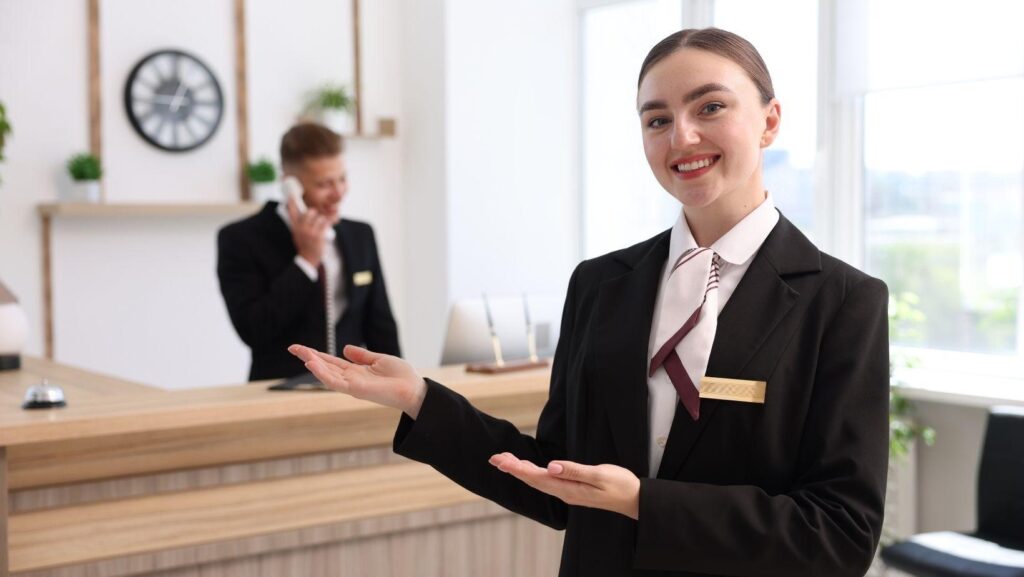
The traditional concierge desk has lost part of its importance. Travelers can now find restaurants, routes, tickets, opening hours, reviews, and local guides on their phones. This does not mean personal advice has no value, but the function has changed.
Guests no longer need a concierge for basic information. They need help only when the request is complex: hard-to-book restaurants, transport disruptions, special access, or local problem-solving. A hotel that keeps a concierge only as a symbol may not create real value.
Bellhop and Porter Service
Porter service still matters in luxury hotels, large resorts, and properties with older guests or heavy luggage traffic. But in many city hotels, it has become less central. Many travelers arrive with small suitcases or backpacks and prefer to go directly to the room.
Self-service travel has made guests more comfortable handling luggage themselves. For short urban stays, speed often matters more than being escorted. Hotels can often add more value through secure luggage storage than through formal luggage carrying.
Printed Brochures and In-Room Directories
Printed hotel materials are much less useful than they used to be. Guests usually search for information online, scan QR codes, or message reception. Paper directories, attraction leaflets, and thick room folders often feel outdated.
This service has not disappeared completely, but its role is smaller. Digital information can be updated faster, translated more easily, and linked to maps or booking systems. Hotels that still rely on printed materials may create extra clutter without improving the guest experience.
Traditional Room Service
Classic room service has become less important in many hotel categories. Delivery apps, nearby cafés, supermarkets, and casual dining options have changed guest behavior. Many travelers prefer more choice, lower prices, and faster ordering outside the hotel system.
Room service still matters for late arrivals, families, business travelers, and high-end hotels. However, it is no longer a universal expectation. Some hotels now replace full room service with lobby markets, vending areas, takeaway counters, or partnerships with local food providers.
Large Wardrobes and Formal Storage
Large wardrobes were once standard because hotel stays were often longer and more formal. Today, many guests stay for two or three nights and travel with fewer clothes. They may not unpack fully at all.
As a result, large storage areas can be less important than practical luggage surfaces, hooks, open shelves, and charging points. The modern room often works better when it supports quick use rather than formal unpacking.
Daily Housekeeping by Default
Daily housekeeping is no longer equally important to all guests. Some travelers prefer privacy, fewer interruptions, or lower environmental impact. Others are comfortable reusing towels and keeping the room undisturbed during short stays.
Hotels have responded by making housekeeping optional or request-based. This does not reduce the importance of cleanliness before arrival. Instead, it changes the rhythm of service during the stay. Guests want control over when staff enter the room.
Business Centers
The traditional hotel business center with desktop computers, printers, and fax services has lost relevance. Most guests travel with laptops and phones. Cloud storage, digital tickets, and mobile documents have reduced the need for fixed workstations.
What matters now is different: reliable internet, quiet seating, power outlets, and video-call-friendly spaces. Hotels that replace old business centers with flexible work areas often serve modern guests better.
Mini-Bars
Mini-bars have declined because they are often expensive, limited, and less convenient than nearby shops or delivery options. Guests may also avoid them because of unclear pricing or automatic charges.
Many hotels now use empty mini-fridges, lobby shops, or simple snack stations instead. This gives guests more control and reduces operational issues for the hotel. A fridge that guests can use freely may be more valuable than a stocked mini-bar.
Formal Dress Codes in Hotel Spaces
Strict dress codes in hotel restaurants, lounges, or breakfast rooms have become less important outside high-end segments. Urban tourists often plan active days and prefer relaxed access to hotel facilities.
This does not mean standards have disappeared. Clean, respectful behavior still matters. But many guests no longer see formal clothing rules as part of hospitality. They may view them as unnecessary barriers.
Conclusion
The hotel services that have lost importance are usually those based on formality, fixed routines, or limited choice. Concierge desks, porter service, printed materials, full room service, large wardrobes, daily housekeeping, business centers, mini-bars, and strict dress codes all still have a place in some hotel categories. But they are no longer essential for every guest.
Modern travelers value services that save time, support independence, and adapt to different trip styles. Hotels that understand this shift can reduce outdated features and invest in what guests now notice most: clean rooms, sleep quality, location, fast processes, flexible food, useful technology, and clear communication.