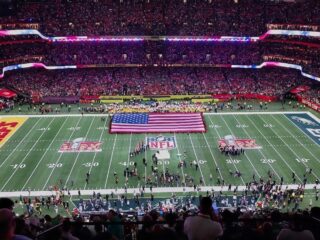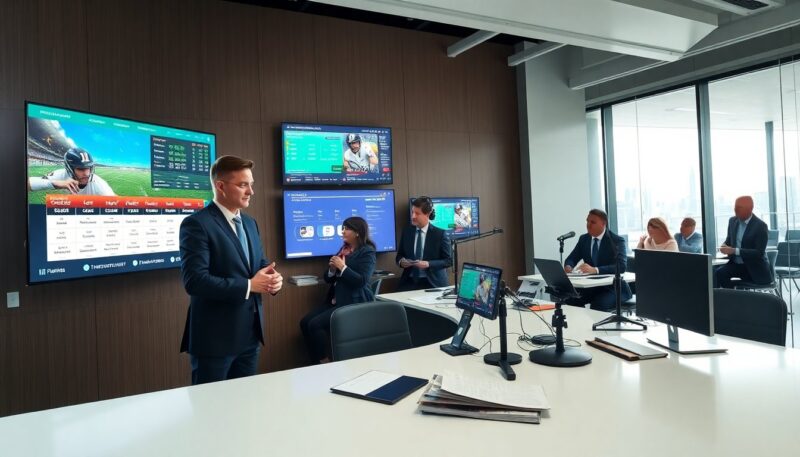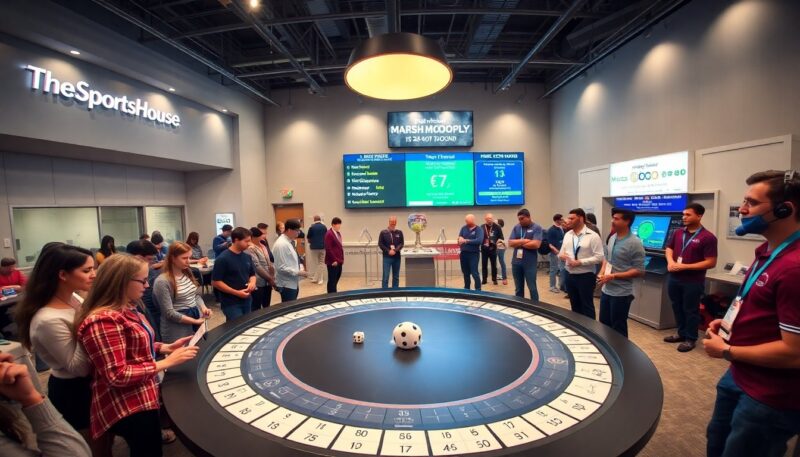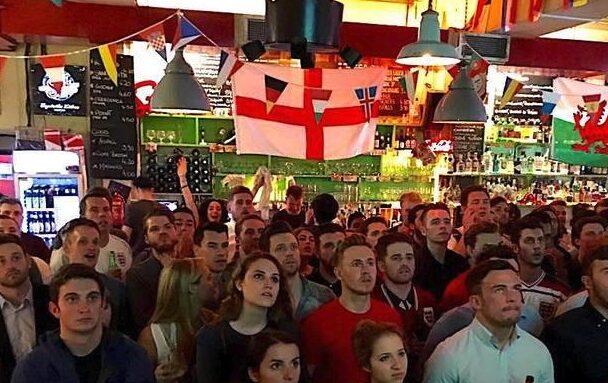
London has always been one of Europe’s great sports cities. From packed Premier League matchdays to late-night NFL broadcasts and major boxing events, the city’s sports culture stretches far beyond the stadiums themselves. In recent years, though, the viewing experience has started to change. Sports fans are no longer gathering only for atmosphere and giant screens — they are increasingly bringing analysis, statistics, and live information into the conversation.
This shift has changed the way many supporters watch games. Match discussions that once focused mostly on emotion or rivalry now include conversations about tactical setups, injury reports, expected goals, player efficiency, and form trends. The rise of fantasy sports, real-time data platforms, and second-screen viewing habits has made fans far more analytical than they were a decade ago.
That change is visible across London’s sports bar culture. Many venues now build entire matchday experiences around multiple live feeds, in-game stats, and interactive coverage. Fans often arrive already informed about lineups, trends, and market movement before kickoff even begins.
At the same time, digital sports platforms have grown alongside this evolution. Many fans now compare odds, promotions, and features before major events using guides focused on top-rated sportsbooks, especially during high-volume sports periods like the Premier League run-in, March Madness, or the NFL playoffs.
The growing overlap between sports media, live data, and entertainment reflects how modern fandom has evolved. Watching sports is no longer passive. Supporters want context, discussion, and constant updates while matches unfold.
London’s pub scene has adapted quickly to this reality. Traditional football pubs still thrive, but many venues now market themselves almost as hybrid sports lounges, offering multi-game viewing setups, app integrations, and heavily connected digital experiences. Some bars even display live statistics or betting-related broadcasts alongside the main event coverage.
This trend mirrors what has happened across sports media generally. Major broadcasters now dedicate enormous amounts of airtime to advanced metrics, predictive analysis, and real-time probability tracking. Supporters consume sports through podcasts, social clips, Discord groups, Reddit discussions, and data dashboards all at once.
The Premier League has arguably accelerated this transformation. Because football coverage in England is so intense, fans have become highly informed consumers of sports content. Conversations about pressing systems, squad depth, and fixture congestion have become mainstream topics rather than niche analytical debates.
The result is a more interactive sports culture overall. Fans are no longer waiting until the next day’s newspaper to discuss performance. Everything happens instantly. Reactions unfold during the game itself, often across multiple devices simultaneously.
That broader digital shift has also influenced how people discover sports-related platforms online. Comparison sites, analytics hubs, streaming services, and betting resources now compete for attention during major events. Many users explore industry coverage through mainstream sports business reporting from publications like The Athletic, which regularly covers the commercial evolution of sports media and fan engagement.
For London venues, this evolution creates both opportunities and pressure. Fans expect smoother streaming, more screens, faster service during peak fixtures, and a better overall viewing environment. A pub showing only one match on a single television increasingly feels outdated in a city where supporters can access nearly unlimited live sports content from their phones.
What makes London particularly unique is how international its sports audience has become. On any given weekend, sports bars may show Premier League football in the afternoon, NBA games in the evening, UFC later at night, and American football after midnight. The city’s global audience has expanded the range of sports people actively follow.
That diversity has helped create a sports culture that feels permanently connected. Discussions move continuously between local clubs, international leagues, streaming platforms, and online communities. Whether fans are watching Arsenal in North London or catching an NFL game near Liverpool Street, the experience increasingly revolves around real-time information and shared digital engagement.
Modern sports culture in London is no longer just about where people watch games. It is about how connected the entire experience has become before, during, and after the final whistle.