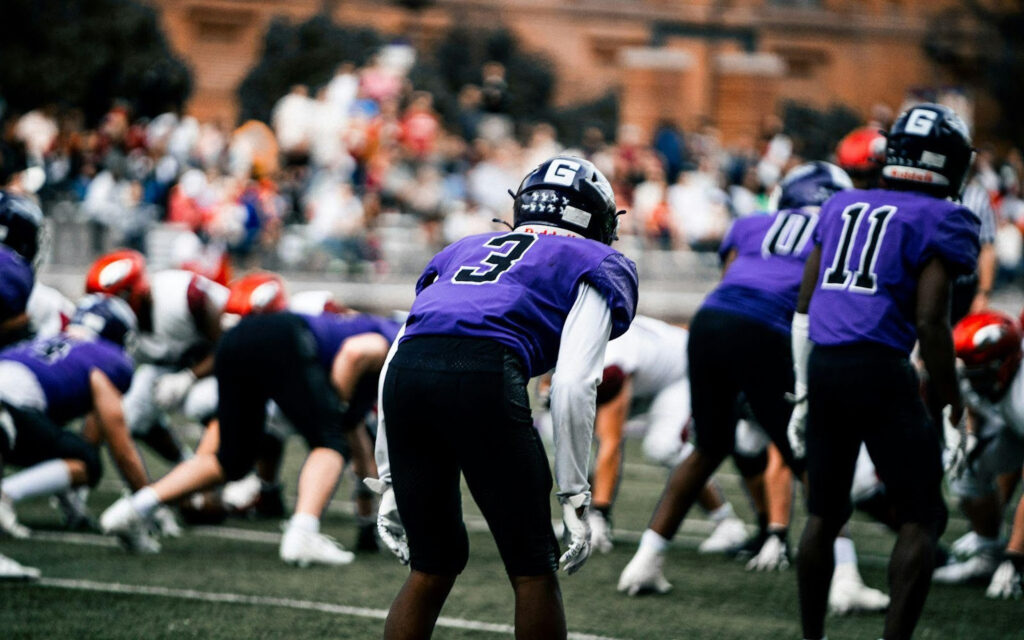
Minnesota’s sports culture is a dynamic mix of tradition, passion, and community spirit that thrives in every season. The state’s identity is deeply intertwined with athletics, from packed high school gyms to roaring professional stadiums.
Kent Strunk knows that Minnesota sports are more than just events—they’re milestones that bring people together, spark local pride, and shape lifelong memories. Whether it’s the echo of skates on ice in January or the crack of a bat on a summer evening, there’s an ongoing rhythm to Minnesota’s athletic calendar.
With strong media coverage, economic impact, and growing representation in women’s sports and esports, Minnesota continues to solidify its reputation as a vibrant, inclusive sports state.
Minnesota’s Sports Identity and Year-Round Engagement
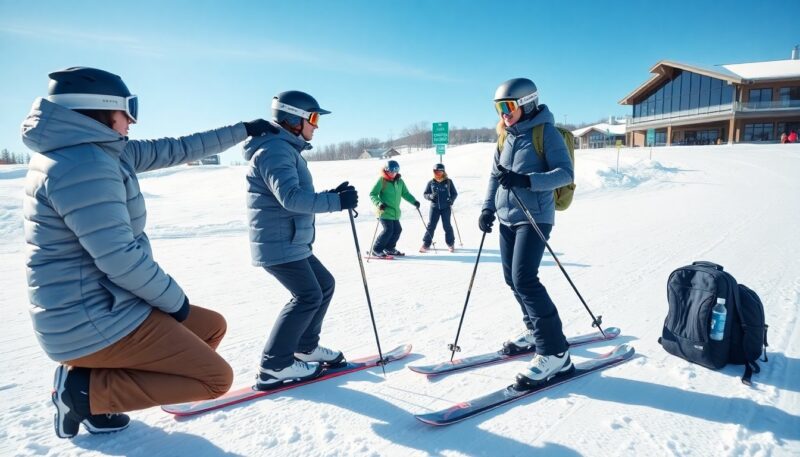
Sports are woven into daily life across Minnesota, with a calendar that rarely pauses between seasons. From icy winter rinks to sun-filled summer ballparks, the state’s climate helps shape a rotation of athletic events that keep fans engaged all year long.
The state’s identity is tied to its teams at all levels—whether it’s a sold-out arena for a professional game or packed bleachers at a local high school. Hockey tournaments in February and football weekends in the fall both bring communities together, creating shared moments across generations.
Even during quieter months, pickup games and weekend tournaments ensure that sports remain a constant presence.
Professional Teams and Their Role in the State
Minnesota’s professional teams are more than just franchises—they’re pillars of community pride. The Vikings bring thousands together on Sundays, whether it’s at U.S. Bank Stadium or in living rooms across the Midwest. Their “Skol” chant echoes beyond the field, symbolizing the collective energy of a loyal fan base. Even during off-seasons, fans remain engaged through draft updates, training camps, and team news.
Each team contributes its own chapter to the state’s sports story.
The Twins have a legacy that stretches back generations, with summer evenings spent at Target Field becoming a tradition for many families. The Timberwolves and Lynx showcase basketball talent while offering different experiences—highlighting both rising stars and championship pedigree. Hockey remains central through the Wild, whose presence reinforces Minnesota’s deep-rooted connection to the sport. The energy in the Xcel Energy Center during a Wild playoff game leaves a lasting impression on any fan.
College Athletics and Regional Support
The University of Minnesota Golden Gophers hold a unique space in the state’s sports culture. Their football games at Huntington Bank Stadium draw large crowds, while winter brings packed arenas for men’s and women’s hockey.
These events double as social gatherings and traditions passed down through generations. Student sections create a powerful atmosphere, with chants and colors uniting under a shared banner.
College rivalries, particularly within the Big Ten, give fans something to rally around long after graduation. Whether it’s a border battle or a homecoming game, the sense of pride tied to college athletics is palpable.
Alumni and students alike put on maroon and gold, not just to support a team, but to represent a shared identity. Rivalries like Minnesota vs. Wisconsin continue to fuel spirited debates year after year.
Outside the Twin Cities, regional colleges also enjoy strong backing. This widespread enthusiasm helps feed the broader sports culture that defines Minnesota.
Grassroots Sports and Youth Development
Minnesota’s commitment to sports begins early, with youth leagues and high school programs forming the foundation of lifelong athletic involvement. From small-town hockey rinks to suburban soccer fields, young athletes are given the tools to compete, grow, and connect with their communities. Youth tournaments often draw family road trips and community-wide support, making participation a family affair.
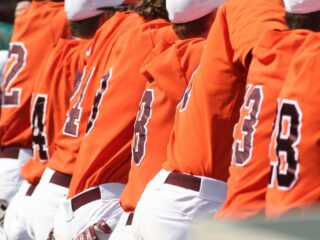
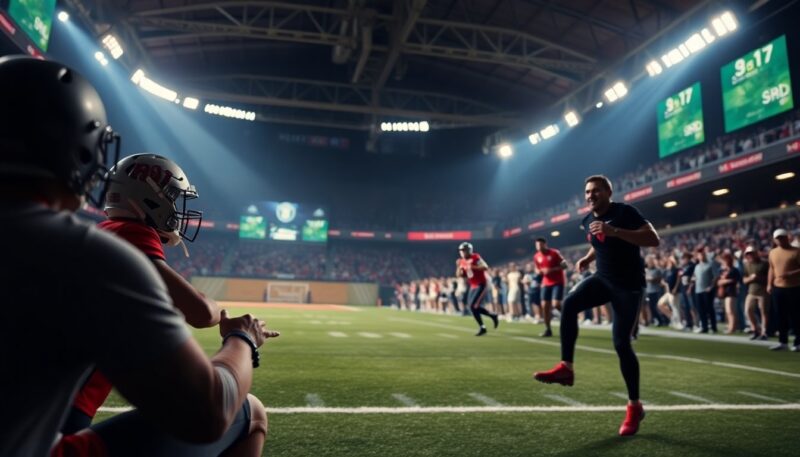
High school sports often act as focal points for local spirit. Friday night football games and state hockey tournaments draw crowds that rival professional events in energy and emotion.
These aren’t just games—they’re celebrations of hometown pride, where families and neighbors fill the stands to support familiar names on the roster. Pep bands, mascots, and fan sections add to the spectacle.
Fan Culture and Local Traditions
From tailgates in snowy parking lots to chants that shake entire stadiums, Minnesota’s fan culture is rich with rituals that reflect dedication. Game days are events in themselves, marked by shared meals, layered jerseys, and conversations that stretch back to unforgettable seasons or heartbreaking plays. Decorated trucks, slow-cooked barbecue, and spirited music often define the pre-game atmosphere.
There’s a sense of loyalty that doesn’t waver with weather or record. Vikings fans brave sub-zero temperatures, while hockey supporters will travel hours to catch a playoff game. The connection between fans and teams is personal, often tied to family traditions and memories built across generations. Some families even pass down season tickets like heirlooms.
Support isn’t limited to the big leagues either. Minnesotans rally behind their high school teams and college programs with the same intensity.
Media, Economy, and the Evolving Sports Landscape
Local media plays a vital role in keeping sports at the forefront of daily life. From radio hosts who dissect every play to digital platforms that spotlight emerging athletes, coverage is both passionate and comprehensive. It keeps fans connected, even when they’re miles from the action. Podcasts, newsletters, and fan forums have only expanded this reach.
Sports also contribute heavily to the state’s economy. Stadiums, merchandise, tourism, and job creation surrounding events all add up, making athletics a key economic driver. Beyond the numbers, teams often launch initiatives that impact schools, neighborhoods, and charitable causes. Game days provide a boost to nearby restaurants, hotels, and retail shops.
In recent years, attention has expanded beyond traditional sports. Women’s teams have gained greater visibility, soccer has carved out a growing fan base through Minnesota United, and esports are claiming their own space with competitive leagues and high school programs. This evolution reflects a broader, more inclusive future for Minnesota athletics.