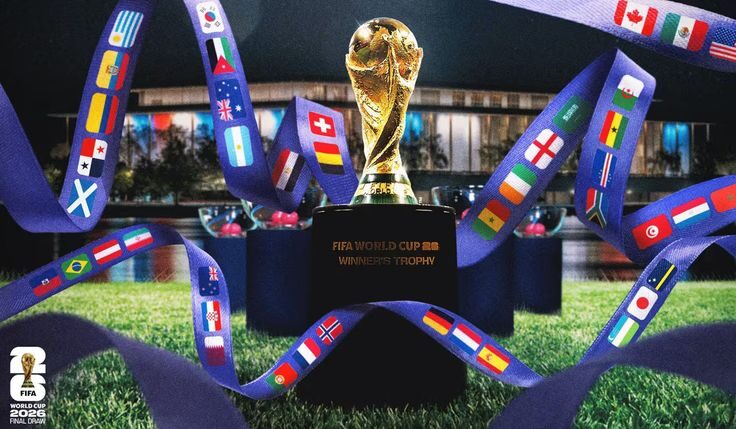
The FIFA World Cup always brings one of the most exciting moments in football — the group stage draw. It sets the tone for the entire tournament, deciding which teams have a smooth path forward and which ones face immediate pressure from day one.
For the 2026 edition, analysts and fans are already discussing which groups look balanced and which ones appear extremely competitive. With the tournament expanding to 48 teams, the group stage is more unpredictable than ever, creating a mix of favorable paths and difficult challenges for different nations.
This early analysis helps fans understand which groups might be easier to navigate and which ones could become the toughest battles in the tournament.
Why Some Groups Look Easier Than Others
In every World Cup, “easy” groups usually happen when one or two strong teams are placed with lower-ranked or less experienced sides. This often creates a clearer path for top teams to qualify for the knockout stage.
For 2026, some groups are expected to be more balanced due to the expanded format, where hosts and seeded teams are spread across different groups. This helps reduce extreme imbalances but does not remove them completely.
Easier group structure typically includes
- One dominant team with strong tournament history
- One mid-level competitive team
- One or two developing or lower-ranked squads
In these groups, the outcome is often more predictable, especially for the strongest side in the group.
Why Some Groups Become “Groups of Death”
On the other side, the hardest groups are often created when multiple strong teams are drawn together.
These groups are usually defined by:
Key characteristics of difficult groups
- Two or more top-ranked teams
- Strong tactical matchups across all sides
- Very little margin for error in every match
- High pressure from the first game onward
In these situations, even small mistakes can decide which teams advance. A single draw or loss can completely change the qualification picture.
Early Expectations from Analysts
Football analysts studying the 2026 draw have already highlighted that the new format changes how we define “easy” and “hard” groups.
Because more teams are involved, there are now:
- More mid-level competitive teams
- Wider differences in playing styles
- Increased unpredictability in group results
Some groups may look easy on paper, but modern football has shown that underdogs can create surprises, especially in short tournaments where momentum matters.
This makes early predictions interesting, but not always reliable once the tournament begins.
What Makes a Group Truly Balanced
A balanced group is often the most unpredictable type.
These groups usually contain teams that are relatively close in strength, meaning any team can qualify depending on form, injuries, and match performance.
Balanced groups often produce:
- Tight point differences
- Last-match qualification drama
- Unexpected upsets
- High competition until the final whistle
Fans usually enjoy these groups the most because every match matters.
Why Fans Closely Follow Group Analysis
Before the tournament begins, football fans enjoy analyzing groups to understand possible outcomes. It helps them predict match intensity, key fixtures, and potential knockout stage matchups.
This is also where digital platforms like Winbox gain attention among users who follow football closely during major tournaments.
With increasing interest in real-time updates and sports live content, fans want more than just match schedules — they want context, analysis, and ongoing developments throughout the competition.
The Impact of the 2026 Format Change
One of the biggest differences in the 2026 World Cup is the expanded structure. With more teams participating, the group stage becomes longer, more complex, and more diverse.
This change brings:
- More match combinations
- More opportunities for surprise results
- Greater importance of group positioning
- Higher competition across all regions
Because of this, even traditionally “easy” groups can become challenging if teams lose focus early in the tournament.
Final Insight on Group Strength
While it is tempting to label groups as easy or hard before the tournament starts, football history shows that group strength can change quickly once matches begin.
Form, confidence, injuries, and momentum often matter more than reputation alone. This is why group predictions are always evolving until the first whistle of the tournament.
As the World Cup approaches, fans will continue debating which groups offer a smoother path and which ones could produce early shocks — but the real answers only appear once the games begin.