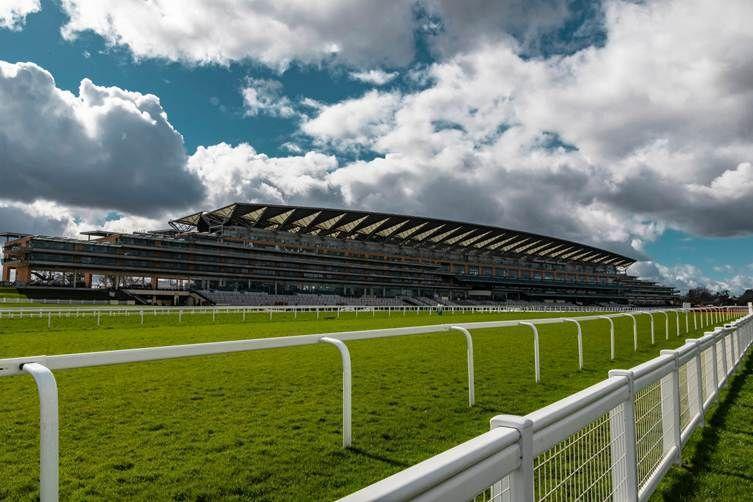
Royal Ascot opens its gates on 17 June 2026, and for five days the Berkshire track will host the finest flat racing in Europe alongside one of the most distinctive social occasions on the British calendar.
With horse racing odds already building across the meeting’s 17 Group 1 races, here is everything you need to know before you go, or before you watch from home.
When and where
Royal Ascot 2026 takes place from Tuesday 17 June to Saturday 21 June at Ascot Racecourse in Berkshire, approximately six miles from Windsor Castle. The track is easily accessible by rail from London Waterloo, with a dedicated raceday service running direct to Ascot station throughout the week. Gates open at 10:30am each day, with racing beginning at 2:30pm on Tuesday, Wednesday, Thursday, and Friday, and 2:00pm on Saturday.
The enclosures
Ascot operates a tiered enclosure system that shapes the dress code, the atmosphere, and the experience across the whole meeting. The Royal Enclosure is the most exclusive, requiring sponsorship from a current member who has attended for at least four years. It carries the strictest dress code and offers the closest proximity to the Royal Family throughout the week.
The Queen Anne Enclosure is the largest and most accessible of the premium areas, offering excellent views of both the track and the paddock. The Village Enclosure and Windsor Enclosure provide more relaxed atmospheres with their own dress code requirements, while the Heath provides free access to the Ascot straight.
The Royal Procession
Each race day begins with the Royal Procession, a tradition that has continued almost without interruption since King George IV introduced it in 1825. A line of horse-drawn landau carriages departs Windsor Great Park and travels down the Straight Mile into the racecourse, carrying King Charles III, Queen Camilla, and senior members of the Royal Family.
The procession takes approximately 20 minutes from start to finish and is one of the most distinctive opening ceremonies in sport. Crowds line the rails to watch the carriages arrive, the atmosphere falling into a particular kind of ceremonial quiet as the royal party makes its way to the Royal Enclosure.
The dress code
Few things about Royal Ascot generate more debate or preparation than the dress code, and it is enforced with a seriousness that reflects the meeting’s heritage. In the Royal Enclosure, gentlemen must wear black or grey morning dress, a waistcoat, a tie, a black or grey top hat, and black shoes worn with socks.
Ladies must wear formal daywear with a hat or substantial fascinator, no exposed midriffs or shoulders, and appropriate dress or skirt length. The Queen Anne Enclosure requires a suit and tie for men and formal daywear for women, with a hat or fascinator. Arriving underdressed for your enclosure will result in polite but firm redirection at the gate.
The racing
For all the ceremony and occasion, it is the racing that sits at the heart of everything. 17 Group 1 races take place across the five days, covering every distance from five furlongs to two and a half miles and attracting horses from across Europe, North America, and beyond.
Tuesday’s card includes the Queen Anne Stakes for milers and the King Charles III Stakes for sprinters, Wednesday brings the Prince of Wales’s Stakes, one of the most prestigious middle-distance races of the entire flat season, and Friday features the Commonwealth Cup and the Coronation Stakes.
The Gold Cup on Thursday is the pinnacle. Run over two and a half miles, it is the supreme examination of the staying division and one of the oldest and most celebrated flat races in the world, dating back to 1807.
Those using a free bet calculator to assess ante-post markets will find the Gold Cup among the most keenly contested races of the week, with the staying division currently as strong as it has been in years.
The Greencoats
No guide to Royal Ascot is complete without a mention of the Greencoats, the ceremonial guardians of the royal enclosures whose forest-green uniforms, brass buttons, and white breeches have been a defining feature of the meeting since its earliest days.
They flank the royal carriages as they arrive each day, manage the crowds with unobtrusive authority, and represent the kind of institutional continuity that makes Royal Ascot unlike any other event in British sport.