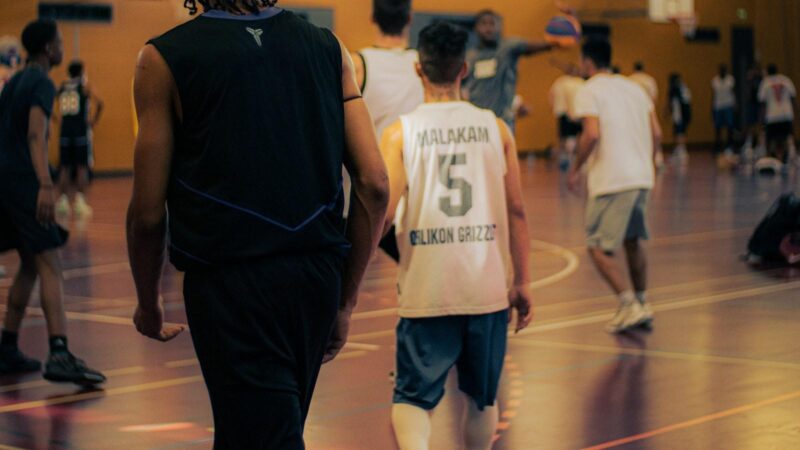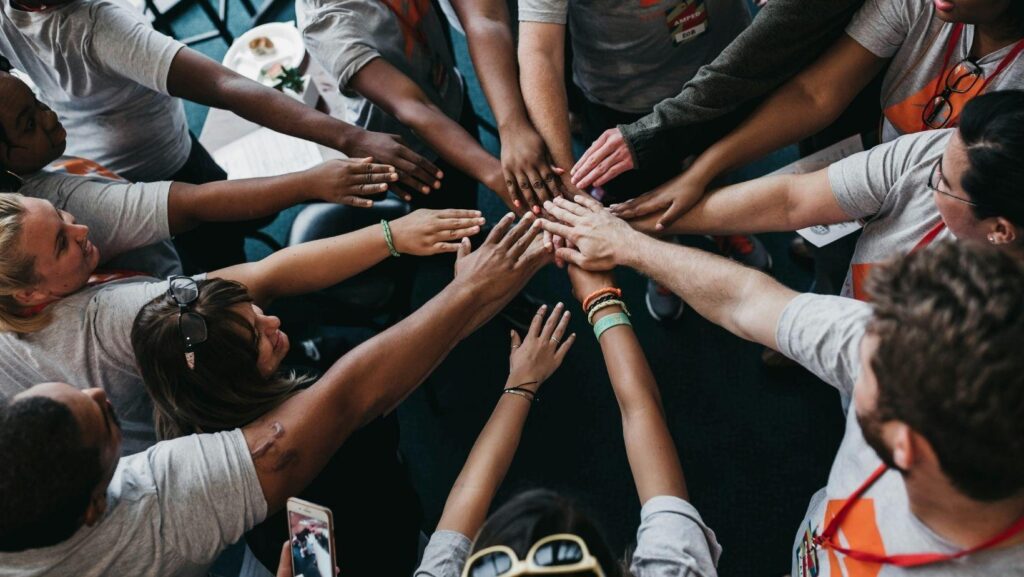
Every college program claims to have a culture, but few can explain how they built it or why it holds up when a season goes sideways. Culture isn’t a slogan painted on a locker room wall or a hashtag printed on warm-up shirts. It’s the collection of habits, expectations, and relationships that shape how a team responds when no one is watching and when the scoreboard isn’t cooperating.
Taite Heller takes a refreshingly practical view of the subject. Culture isn’t something that happens on its own. It’s built intentionally, reinforced every day, and tested most during the moments programs would rather forget.
College athletics make that challenge especially difficult. Rosters change every few years as players graduate and recruits arrive. Coaches move on. Athletes balance competition with classes, jobs, injuries, and the everyday challenges of being eighteen to twenty-two years old.
A culture that depends on a single charismatic senior or a beloved coach is inherently fragile. The programs that sustain success are the ones that make culture a renewable resource rather than something tied to a single personality.
Start With Values You Are Willing to Enforce
Every lasting team culture starts with a small number of clearly defined values. The keywords are small and clear. A program that lists fifteen core values has effectively prioritized none of them because no athlete can carry 15 ideas into a pressure-filled moment. Three or four straightforward principles give players something they can actually remember and apply.
The harder part is enforcing those values consistently. Holding the most talented people to the same standard as everyone else is what separates programs with genuine culture from those built on motivational slogans. When players see that the rules apply equally, the values become believable. When they see exceptions, those values quickly lose credibility.
Much of that work happens behind closed doors, in conversations between coaches and athletes about effort, accountability, or decisions made off the field. Those moments rarely make headlines, but they’re often where culture is truly built.
Trust Is the Currency of Performance
Teams don’t become close simply because everyone gets along. They become successful because teammates trust one another to do their jobs.
A defender trusts a teammate to rotate into position. A point guard trusts a shooter to be where the play requires them. That trust is earned through thousands of repetitions and strengthened by honesty when mistakes happen.
Psychological safety, the confidence that someone can admit a mistake or ask for help without being embarrassed, has consistently been shown to improve performance under pressure. In sports, that means creating an environment where a player can say, “I missed that assignment,” and receive coaching instead of criticism.
Building that kind of environment starts with leadership. Coaches who acknowledge their own mistakes and team captains who take responsibility after a poor performance give everyone else permission to do the same. That honesty creates opportunities for growth instead of blame. It encourages and promotes a culture of authenticity.
Much of the thinking on building trust that survives losing streaks and roster turnover points to consistency. Athletes judge leaders by how they respond in both good times and bad. A coach who is supportive after wins but harsh after losses teaches players that support is conditional. Conditional trust rarely survives adversity.
Leadership That Doesn’t Depend on Titles
The strongest programs spread leadership throughout the roster rather than concentrating it on a single coach or captain. When only a handful of people carry the culture, a graduation or difficult season can leave the program searching for its identity. Strong teams develop leaders at every level, including younger players and role players who set the standard in practice, the weight room, and everyday interactions.
Building that kind of leadership starts with recruiting, but it doesn’t end there. Recruiting athletes with strong character certainly helps, but leadership itself has to be taught. Athletes need to learn how to hold teammates accountable without creating resentment, give honest feedback, and recognize when someone needs encouragement rather than criticism.
The best programs treat leadership as a skill that can be developed, not simply a personality trait. This long-view approach to developing people, captured well in the broader body of work on mentorship and the development of the next generation of leaders, helps ensure the culture continues to grow even as the roster changes.
Peer leadership also fills a role that coaches can never fill. Athletes will often share concerns with teammates they would never bring to a coach, and they’ll sometimes accept correction more readily from someone standing beside them than someone standing in front of them. When players take ownership of the culture themselves, it becomes much harder to lose.
Rituals, Standards, and the Small Stuff
Culture lives in everyday routines.
The way a team warms up. How film sessions are conducted. Whether players clean up the locker room before leaving. How first-year students are welcomed into the program. These moments may seem insignificant on their own, but together they shape a team’s identity.
Standards around the little things are often the clearest reflection of a program’s culture. Teams that consistently arrive on time, respect their equipment, and give full effort during routine drills are usually the same teams that remain disciplined when the pressure is highest.
Those habits aren’t built with emotional speeches. They’re built through repetition and a shared belief that details matter. Through showing up day in and day out, even when it’s challenging.
Welcoming new athletes deserves special attention in college sports because turnover is constant. A freshman’s first few weeks often shape how they’ll eventually contribute as an upperclassman. Programs that intentionally introduce newcomers to their culture by pairing them with veteran teammates and clearly explaining expectations tend to preserve that culture far more effectively than programs that assume it will develop on its own.
Sustaining Culture Through Adversity
The real test of any culture comes during losing streaks, season-ending injuries, internal conflict, or coaching changes. A culture that only works when a team is winning isn’t much of a culture at all. It’s simply good morale.
Strong programs anchor their identity in what they can control: effort, preparation, accountability, and how teammates treat one another. Wins and losses will always fluctuate, but those standards don’t have to.
When success is measured not only by results but also by character and process, teams have something steady to fall back on during difficult stretches. Players can lose a game while still meeting the program’s expectations, helping preserve confidence, identity, and trust.
Ultimately, culture doesn’t happen by accident. Good people certainly help, but lasting culture results from deliberate choices made consistently over time.
As Taite Heller emphasizes, the strongest programs treat culture as something to be built, taught, reinforced, and renewed. That’s what allows it to outlast any individual player or coach, and it’s ultimately the clearest sign that a culture is meaningful and concrete.