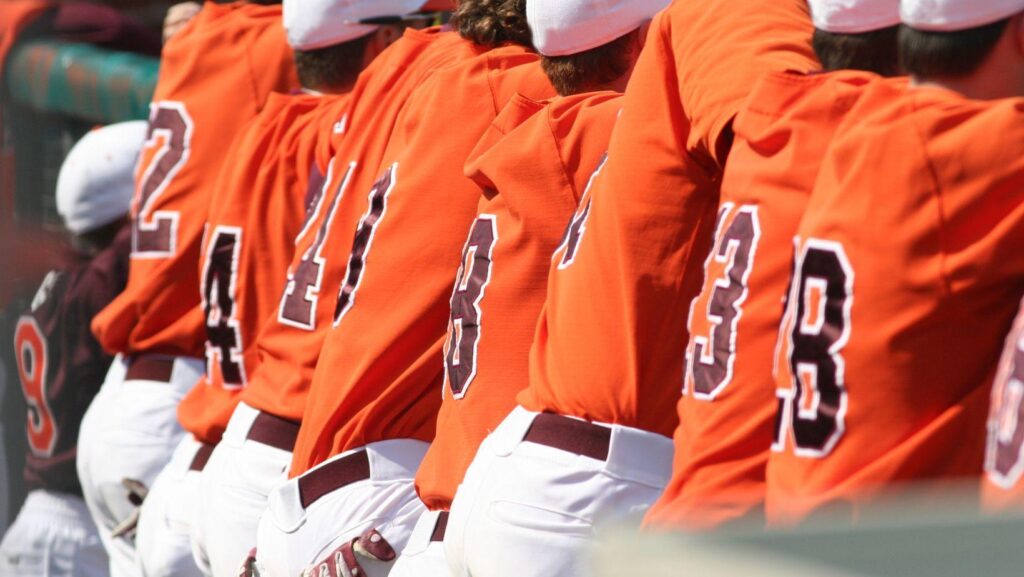
A baseball uniform used to have one job: tell the fans in the bleachers which team was which. That was it. No sponsor patches, no throwback nights, no product drops timed to a home opener. Over the past century, that plain, functional garment turned into one of the most valuable pieces of real estate in professional sports. The story of how that happened says as much about the business of baseball as it does about fashion.
Where It Started: Function Over Style
Uniforms from the late 1800s through the 1940s were made of heavy wool flannel. They were hot, itchy, and built for durability rather than comfort. Teams stuck to simple color schemes and lettering because the point was identification on the field, not attention off it. A player’s uniform was closer to a work outfit than a marketing tool.
Even in this early era, teams understood that color carried meaning. Pinstripes, road grays, and home whites became conventions fans could read at a glance, conventions that still shape uniform design today even though the fabric and technology behind them have changed completely.
A Quick Timeline of the Biggest Shifts
A handful of moments did more to change baseball uniforms than any single season of new colors:
- 1929: The New York Yankees become the first team to wear permanent uniform numbers, tying a name to a number for scorecards and radio broadcasts
- 1960: The Chicago White Sox add player last names to the backs of jerseys, a change other teams gradually adopt
- 1970: The Pittsburgh Pirates introduce the first double-knit polyester pullover uniform, trading wool flannel for a lighter fabric that held brighter dye
- 1993: Mitchell & Ness begins producing licensed throwback jerseys, turning uniform nostalgia into its own retail category
Each of these changes looks small on its own. Together, they mark the shift from uniforms built purely for the field to uniforms built with the fan in mind.
Color Television Raised the Stakes
The arrival of color broadcasts in the late 1960s and 1970s pushed uniform design further than fabric technology alone would have. Teams like the Oakland Athletics, Houston Astros, and San Diego Padres experimented with bold colors and patterns that would have looked out of place a generation earlier. Fans were split on some of the results, but the goal was consistent: stand out on screen. Once a team’s look became recognizable at a glance, it also became something worth selling.
Uniforms Turn Into a Business
Major League Baseball formalized this shift in 1966, when its teams pooled their licensing rights into what eventually became MLB Properties. Replica jerseys, once a niche item sold mostly at the ballpark, became a mainstream retail category. By the 1990s, throwback and alternate jerseys had turned into their own product line, giving fans a reason to own more than one jersey per season.
That shift changed how teams approach design decisions. A new uniform is no longer just a competitive or aesthetic call. It’s reviewed by marketing and retail teams as closely as by the equipment staff, since every color change, alternate jersey, and throwback night is now built with sales in mind alongside team identity.
What This History Means Below the Pro Level
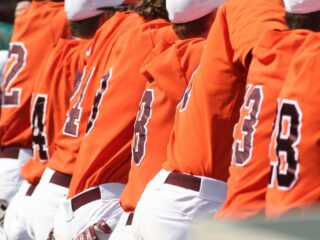
The instinct behind MLB’s uniform strategy isn’t unique to the majors. Anyone who has coached or managed a youth or rec league team knows a group of players doesn’t feel like a team until everyone is wearing the same thing. That same instinct for identity is why so many travel and rec league teams now turn to companies offering custom baseball jerseys long before they ever reach the pros.
A few details tend to matter most once a program starts planning its own uniform order:
- Consistency across the roster, since even small mismatches in color or lettering stand out in team photos and on the field
- Durability, since a youth uniform takes more wear over a single season than a display jersey ever will
- Lead time, since custom orders need to go in well before opening day to avoid a rushed reorder
The stakes are smaller than what a Major League franchise deals with, but the underlying goal is the same. A uniform that looks intentional tells players, parents, and opponents that the program takes itself seriously.
Final Thoughts
Baseball uniforms started as plain wool identification tags. They have become one of the sport’s most dependable revenue streams, and that shift did not happen by accident. Every change, from adding names to the backs of jerseys to building entire throwback product lines, came from the same idea: a uniform is one of the fastest ways to tell people who you are. That idea holds just as true for a Little League team ordering matching jerseys for the first time as it does for a franchise deciding on next year’s alternate look.