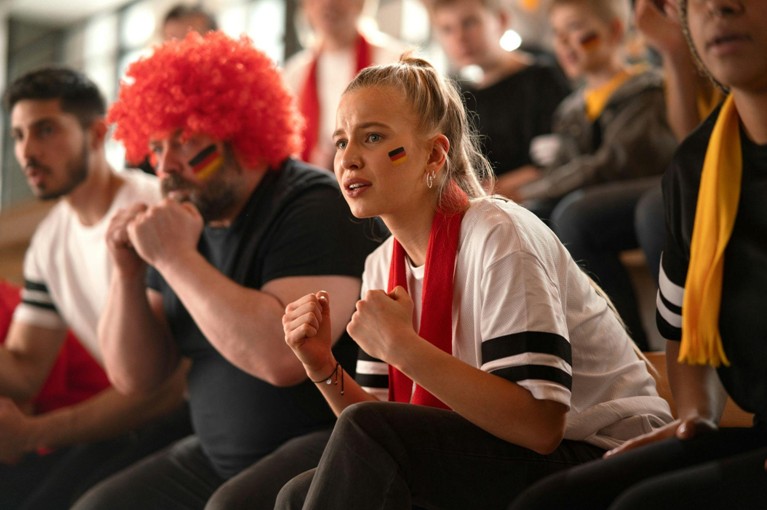
Fan ownership is transforming the relationship between sports teams and their supporters, offering a fresh alternative to the traditional top-down ownership model that has long dominated the industry. By allowing fans to buy shares, participate in decision-making, or even influence in-game strategies, clubs are becoming true community assets.
According to Joe Greco, while the model presents its own set of challenges, including governance complexities and financial risks, its growing popularity signals a broader desire among fans to move from the sidelines into the heart of the action.
What Fan Ownership Means in Modern Sports
Fan ownership initiatives give supporters a direct stake in their favorite teams, often allowing them to buy shares or participate in club administration. This model stands apart from traditional ownership by placing influence and decision-making power in the hands of the broader fan community. Unique approaches to fan involvement continue to emerge, with some clubs integrating voting rights on club matters or giving fans a voice on strategic moves.
One of the most recognized models is the Green Bay Packers, the only publicly owned franchise in major American sports. Their structure has inspired similar efforts across leagues, indicating that shared ownership can thrive even in highly commercialized settings. Over time, fan ownership has evolved, adapting to technological advances and changing fan expectations while staying true to its core principle: empowering supporters to help shape the future of the teams they love.
How Fan Ownership Boosts Engagement and Loyalty
When fans have a real stake in their team, their connection goes far beyond basic support. There’s a special sense of pride and responsibility that comes from knowing your voice genuinely influences the club’s direction. This investment often leads to higher attendance, more merchandise sales, and a more passionate fan base. Teams with fan ownership also usually see higher levels of volunteer participation and creative grassroots marketing, leading to a more vibrant club culture.
Clubs operating under fan ownership models often notice that their supporters are more engaged on and off the field. This commitment is reflected in everything from vocal participation during matches to active involvement in club decisions, helping to create a passionate and lasting community spirit.
Technology’s Role in Expanding Fan Ownership
Advances in technology have transformed how fans can participate in ownership. Blockchain platforms now enable supporters to purchase fractional stakes through digital tokens, unlocking new possibilities for inclusion and transparency. NFTs have also emerged, allowing teams to offer exclusive digital assets that foster deeper engagement among their most dedicated followers. The rise of mobile platforms ensures that fans can stay connected and make decisions no matter where they are, bringing a new level of proximity to their involvement.
Decentralized Autonomous Organizations, or DAOs, introduce another layer of innovation by allowing groups of fans to collectively make decisions and influence club policies. Through these digital platforms, supporters are no longer limited by geography or traditional barriers, making fan ownership more accessible and dynamic than ever before.
Challenges Facing Fan Ownership Models
While fan ownership brings many benefits, it is not without complications. Balancing the passions and desires of a diverse supporter base with the need for professional management can be tricky. Financial sustainability can become a pressing issue, especially when fans are tasked with funding team operations or navigating unpredictable markets.
Legal complexities and regulatory requirements add another layer, making it essential for fan-owned clubs to have strong organizational foundations. Governance structures must be carefully crafted to avoid gridlock and ensure effective decision-making, often requiring ongoing education and engagement among the fan-owners themselves.
What’s Next for Fan Ownership in Sports
The future of fan ownership is likely to be shaped by global participation and the continued rise of digital engagement. As technology lowers barriers, more supporters worldwide can band together to influence teams in ways that weren’t possible before. This trend could reshape not only how clubs are managed but also how sports leagues interact with their most dedicated followers, paving the way for fresh business models and deeper community connections.